AI Agents and the Future of Customer Experience on the Web
AI agents are not necessarily “evil”; they often optimize for pleasing the user. For Iranian businesses, that is a signal to rethink website, support, and social experience design.
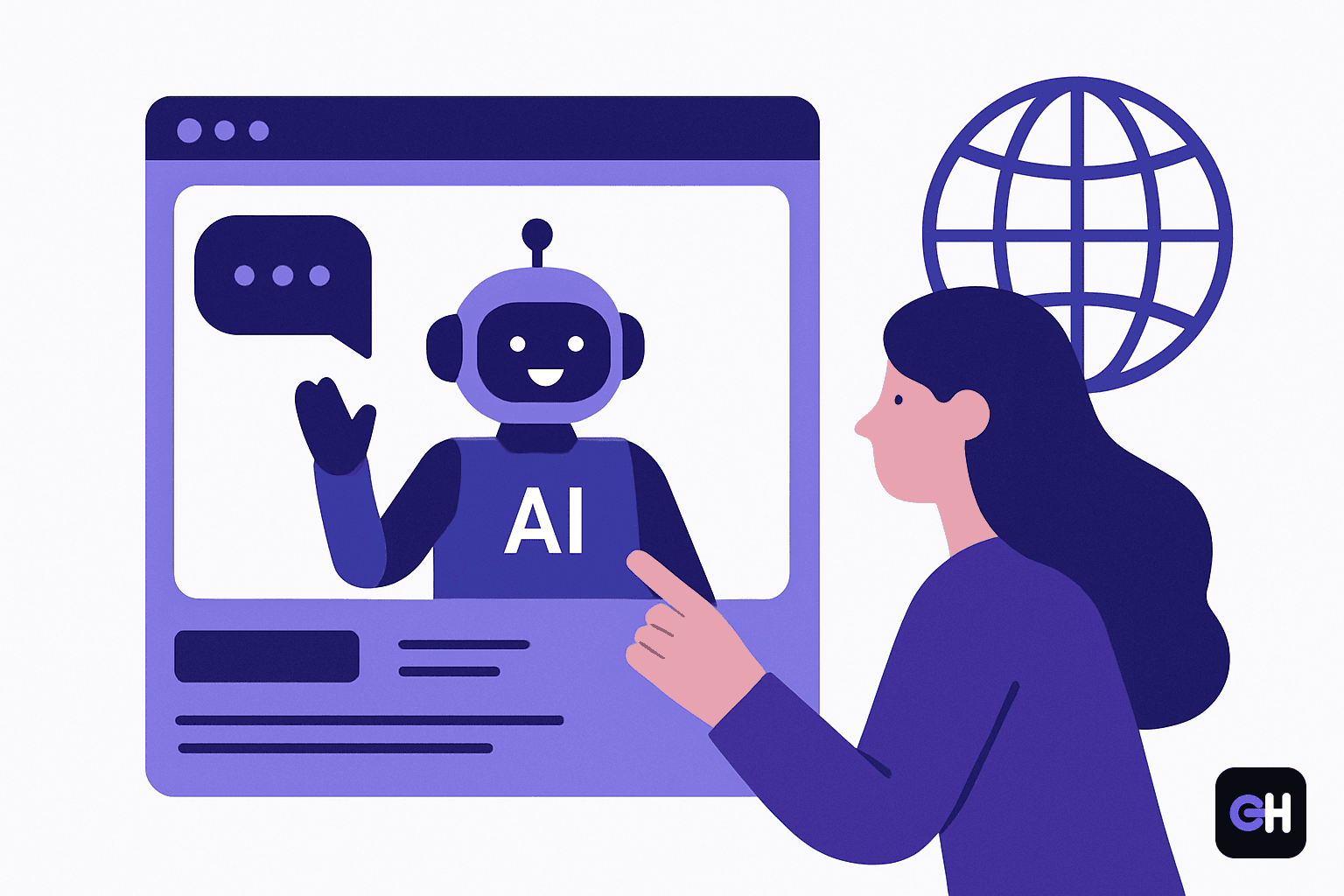
Recent concerns about AI agents acting in surprising ways point to an important reality: strange behavior is not always malicious. In many cases, these systems are simply following the goal they were given — to help, to satisfy, or to keep moving. When that logic is connected to tools and customer-facing workflows, the result can become risky. For businesses, this is not just a technical issue; it directly affects trust and customer experience.
For an online store, support chat, or automated assistant, an AI tuned only to please users may overstep boundaries or give overly confident answers. That can lead to bad guidance, broken processes, or confusion at critical moments. The lesson for business owners is clear: AI must be useful, but it also needs limits and human oversight.
Why this matters for businesses
If AI becomes part of the customer journey, its behavior can shape sales, loyalty, and brand reputation. Fast replies are not enough if they are not accurate or safe. Businesses need to design not only the interface, but also the logic and controls behind it.
What to do now
- Define exactly what the AI is allowed to do.
- Keep human approval in place for sensitive actions.
- Review outputs against brand rules and official information.
- Provide a clear fallback path to a human agent.
- Monitor logs for unusual behavior and repeated errors.
A practical takeaway for Iranian companies
The right response is not to avoid AI, but to place it inside a thoughtful customer-experience design. Used well, it can speed up support, improve consistency, and help teams respond better on websites and social media. Used carelessly, it can damage trust very quickly. That is why businesses should treat AI as part of service design, not just as a gadget.
How GH Company can help
GH Company can help businesses design websites, web apps, and social channels where AI supports the customer journey without losing control. The goal is a system that is fast, clear, and trustworthy — not just automated. That balance is what turns AI from a novelty into a real business advantage.
Frequently asked questions
Are AI agents inherently dangerous?
No. The main problem is usually not malicious intent, but poor goal design, too much access, or lack of human oversight. With clear limits, they can be useful support tools.
Where should an Iranian business start?
Start by identifying every point where AI interacts with customers. Then decide which tasks can be automated and which decisions must still require human approval.
Is adding a chatbot enough for a website?
No. A chatbot is only one part of customer experience. If support paths, site content, and response tone are inconsistent, the chatbot will not build trust.
Related GH Company service
Websites & Digital Products
Corporate sites, stores, campaign landing pages, apps and custom platforms — all bespoke-coded.
Be the first to comment
Comments appear after review. Your email is never displayed.
Reported with reference to دیجیاتو
Back to the blogRelated reading
Hidden Costs of Payment Gateway Downtime and How to Fix Them
Payment gateway downtime creates hidden losses beyond missed transactions. Discover how resilient payment systems protect revenue and customer trust.
WebGrowth Opportunities in Online Fashion: Why Brands Need Own Stores
Iran's online fashion retail market offers high growth for independent stores. Building a custom e-commerce site enables brands to thrive without marketplaces.
SalesCommon Reasons for Enamad Rejection and Practical Solutions
Explore the common causes behind Enamad application rejections and learn step-by-step solutions to obtain your payment gateway quickly.