Phishing Domains and the Risk to Iranian Businesses
Lookalike domains and fake pages are now a direct threat to business reputation and customer data. Iranian companies need both technical controls and staff awareness to reduce the risk.
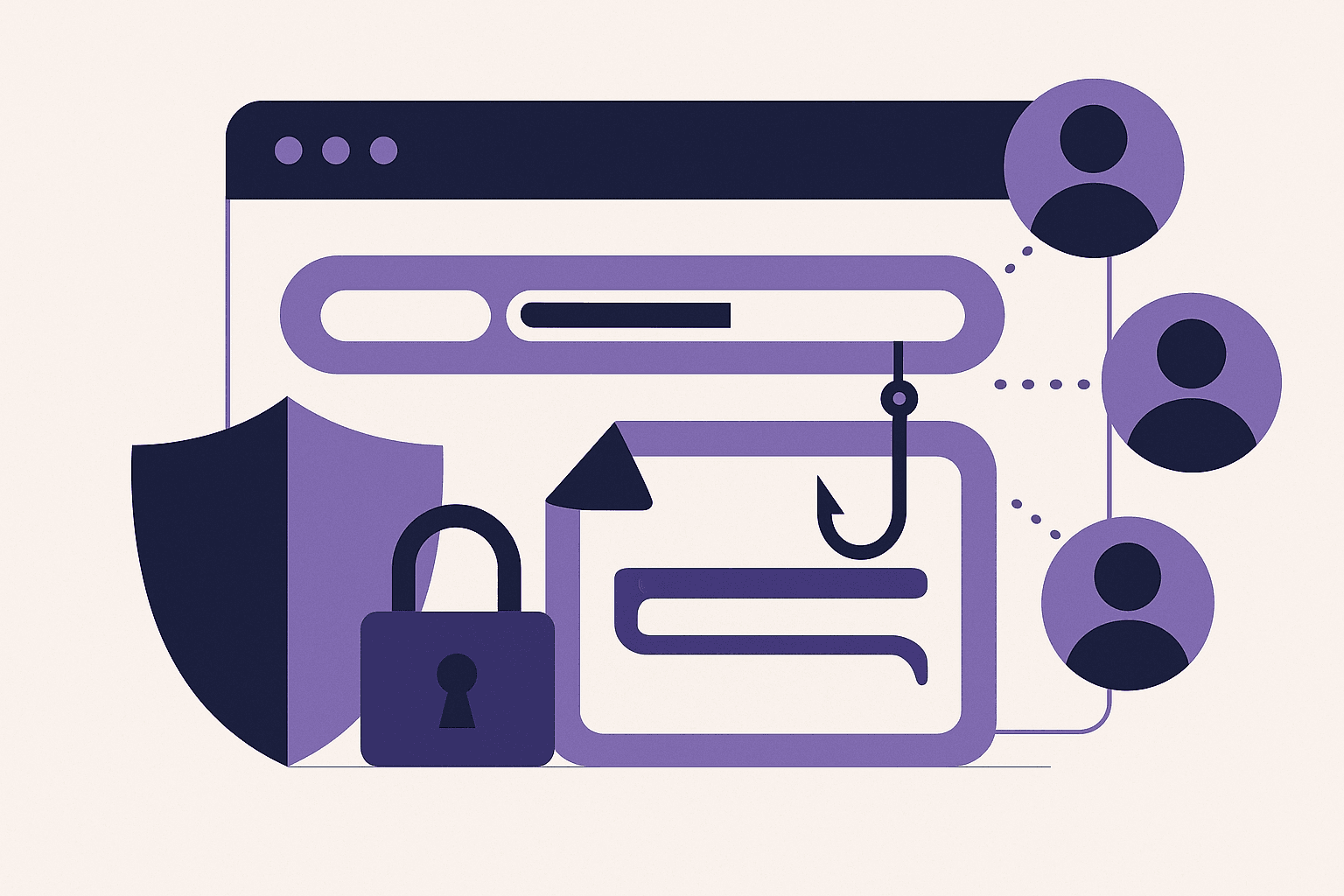
Phishing is no longer just a suspicious email with obvious typos. Attackers now register lookalike domains that closely resemble real brand addresses and use polished fake pages to win trust in seconds. That small shift has made identity theft, account takeover, and brand abuse much more damaging. For Iranian businesses, this is not only a technical issue; it is a direct risk to sales, reputation, and customer confidence.
The danger grows because these attacks usually start where people least expect them: a message, a social post, a login page, or a seemingly urgent request from support. Once a fake page carries your brand name, customers may not notice the difference right away. If it happens repeatedly, trust erodes fast and is hard to rebuild. That is why protection against lookalike domains should be part of every company’s security plan.
How phishing domains work
In this attack, criminals register a domain that looks almost identical to a real brand name. They may swap one character, use a different extension, or copy the login page design almost exactly. The user sees a familiar address or layout and feels safe enough to enter details. The result is direct exposure of credentials, one-time codes, or identity data to the attacker.
The risk goes beyond stolen passwords. If customers are tricked through a fake domain, the fallout can reach support teams, complaints, refunds, and reputation damage. Even if your own systems were not breached, your brand can still become associated with insecurity. That is why phishing defense is both a security task and a customer-experience task.
What risks does this create for Iranian companies?
The first risk is lost trust. When customers fear a fake link or domain, they hesitate to buy or fill out forms. The second risk is operational cost: support teams must answer questions, investigate reports, and issue warnings. The third is reputational and sometimes legal harm, because repeated lookalike attacks can make the audience blame the original brand. In a competitive market, even a short period of confusion can cost real revenue.
Small and mid-size businesses often think they are not attractive targets, but that assumption can be dangerous. Cybercriminals do not always go after the biggest brands; they often choose organizations with weaker processes or audiences that want fast, simple online interactions. Any business that sells, books, advises, or serves customers online can be exposed.
Practical steps businesses should take
- Monitor domains that resemble your brand name and treat every suspicious registration seriously. Move quickly with legal or technical action when necessary.
- Enable multi-factor authentication wherever possible. Even if a password leaks, a second verification layer can stop unauthorized access.
- Teach customers how to verify the real website, payment gateway, and official channels before they share data or log in.
- Review your security certificates, email setup, and domain configuration so branded communications are harder to impersonate.
- Prepare a rapid response plan so everyone knows who alerts customers, who handles technical checks, and who leads the incident response.
Why content and training matter
Phishing defense is not only about servers and settings. Customers and employees must know what warning signs look like and when not to click. If your sales, support, or marketing teams are not trained, an attacker can enter through the least protected doorway. Clear educational content on your website and social channels can raise trust and reduce human error.
It also helps to publish your official contact routes, verified site addresses, and brand channels in a clear and consistent way. That gives customers a reference point when something looks suspicious. Security awareness is not an optional extra; it is part of professional service. The more transparent you are, the harder it becomes for a fake page to succeed.
How GH Company can help
GH Company can support businesses that want a safer digital presence by combining website design and brand identity work with practical security-minded guidance. From user journey design to content that educates customers and structure that supports trust, these elements all help reduce phishing risk. When brand and security are planned together, customers feel safer and teams work with more confidence.
For companies in Qom and across Iran, cyber safety should be part of growth strategy. Fake domains and deceptive pages can create serious problems with one click, but the impact can be reduced through the right policies, ongoing training, and a solid digital foundation. Businesses that act early protect customer data better and preserve long-term brand value.
Frequently asked questions
What is a phishing domain?
A phishing domain is a fake or highly similar website address created to trick users. Its goal is usually to steal passwords, identity data, or account access.
Why should a small business worry about phishing?
Phishing is not limited to large companies and can damage customer trust, sales, and brand reputation. Even one fake page linked to your brand can create support costs and compensation issues.
What is the most important immediate step to reduce phishing risk?
Multi-factor authentication, monitoring lookalike domains, and training users and staff are three immediate and highly effective steps. Together, they sharply reduce the chance of stolen credentials and user deception.
Related GH Company service
Websites & Digital Products
Corporate sites, stores, campaign landing pages, apps and custom platforms — all bespoke-coded.
Be the first to comment
Comments appear after review. Your email is never displayed.
Reported with reference to زومیت
Back to the blogRelated reading
Growth Opportunities in Online Fashion: Why Brands Need Own Stores
Iran's online fashion retail market offers high growth for independent stores. Building a custom e-commerce site enables brands to thrive without marketplaces.
SalesCommon Reasons for Enamad Rejection and Practical Solutions
Explore the common causes behind Enamad application rejections and learn step-by-step solutions to obtain your payment gateway quickly.
Social MediaBuilding Custom No-Code AI Apps for Business Growth
Learn how Iranian businesses can build custom no-code AI tools to automate workflows, reduce software subscription costs, and scale marketing efforts.