When the Browser Can Do More for You
Libraries are not always the fastest path. More of the browser platform can now handle tasks that teams used to solve with extra JavaScript.
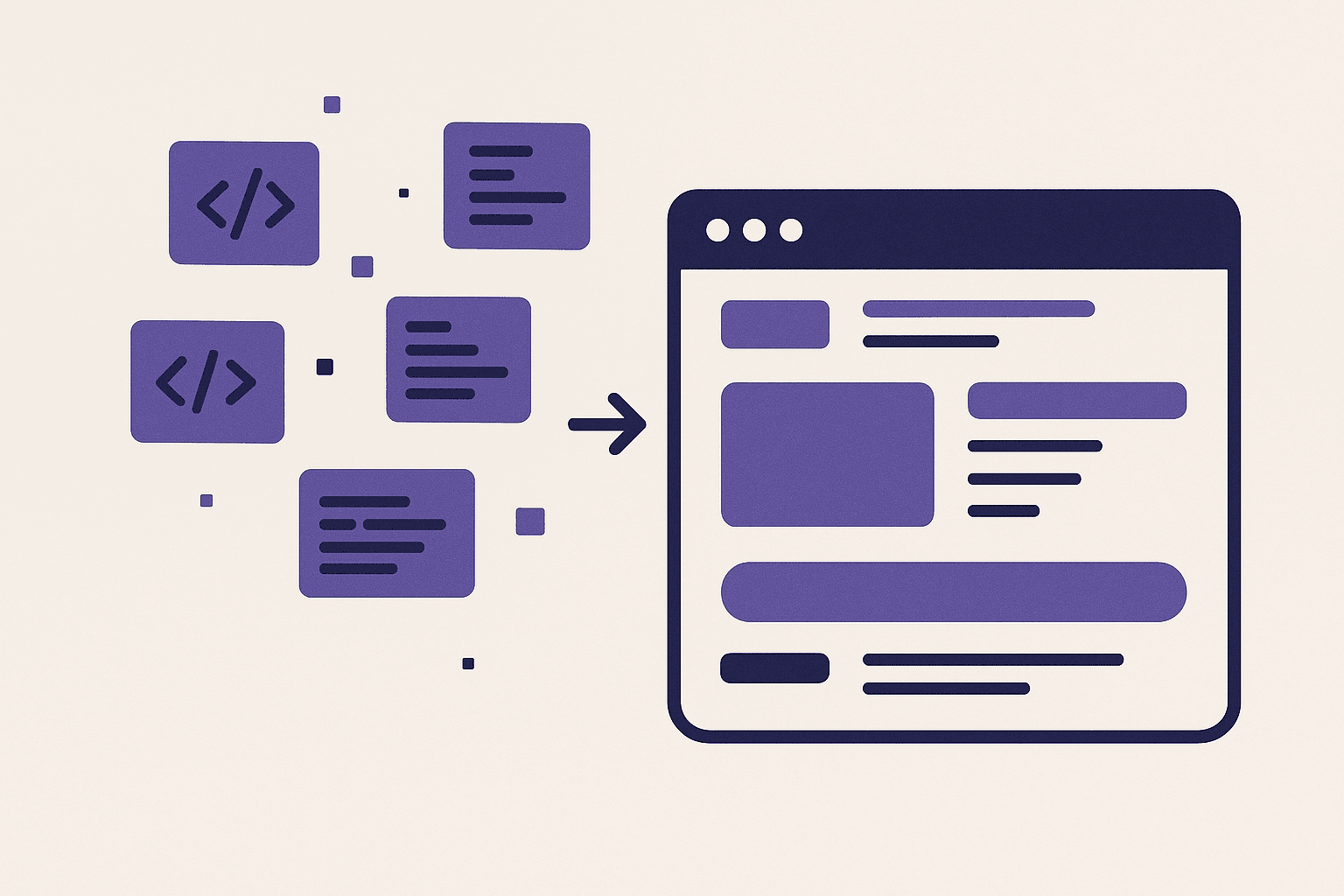
Many web projects default to a library whenever a new need appears. That feels efficient at first, but it also increases maintenance, complexity, and the chance of future problems. The important shift is that modern browsers now handle more of these common tasks on their own.
For a business, this is not only a technical detail. A lighter project can load faster, feel smoother, and take less time to maintain. The real question is not whether to use libraries at all, but where the browser platform is already enough.
What the browser can handle today
Web standards have improved a lot, so some features that once required extra JavaScript are now built in. If a requirement is common and fairly simple, a library may no longer be necessary. In many cases, native browser behavior is enough for basic interactions and everyday interface needs.
That does not mean libraries are obsolete. Complex or highly custom products still benefit from them. The practical approach is to use the browser where it is strong and add dependencies only when they clearly solve a real need.
What businesses should do
- Audit your current dependencies and identify what each one actually does.
- Separate simple UI tasks from advanced product logic.
- Check whether native browser features can replace any of the simpler pieces.
- Prioritize removing dependencies that only add weight, not value.
- Keep libraries for the parts of the product that truly need them.
A cleaner stack helps marketing too
This is not just about engineering cleanliness. Faster, lighter pages usually support better user experience and better campaign performance. That means less friction on landing pages and less wasted traffic. For product teams, it also makes future updates easier to ship.
What GH Company can help with
If an Iranian business wants to take this seriously, the first step is a dependency review. Then the team can decide what can move to native browser behavior and what still needs a custom solution. GH Company can help audit that stack and turn it into a simpler, more maintainable plan.
Frequently asked questions
Should we remove all JavaScript libraries?
No. Some libraries are still necessary for complex or custom needs. The goal is to keep only the dependencies that truly add value.
How do we know if the browser can replace a library?
Start by identifying the exact job the library performs. If the task is simple, common, and standard, the browser may already support it natively.
Why does this matter for Iranian businesses?
A lighter site usually loads faster, is easier to maintain, and works better on weaker devices and connections. That means better user experience and lower technical cost.
Related GH Company service
Websites & Digital Products
Corporate sites, stores, campaign landing pages, apps and custom platforms — all bespoke-coded.
Be the first to comment
Comments appear after review. Your email is never displayed.
Reported with reference to Smashing Magazine
Back to the blogRelated reading
AI Search Optimization Guide for Modern Businesses
AI search optimization still relies heavily on core SEO principles. Learn how Iranian businesses can adapt content for AI-driven search engines.
Social MediaWhy Unpolished Instagram Reels Win More Customers for Businesses
Simple and unpolished Instagram Reels build authentic customer trust, driving higher engagement and sales for businesses without costly production.
SalesWhat is an Escrow Account? Guide to Secure Online Transactions
An escrow account is an effective tool to reduce online transaction risks and build buyer trust. Learn how Iranian businesses can leverage this strategy.