LinkedIn’s Ad Playbook for Better Campaigns
LinkedIn has outlined a four-step approach to stronger ad campaigns, with focus on audience targeting, ad format choice, and measurement. For Iranian businesses, the lesson is simple: better results come from better precision, not bigger spending.
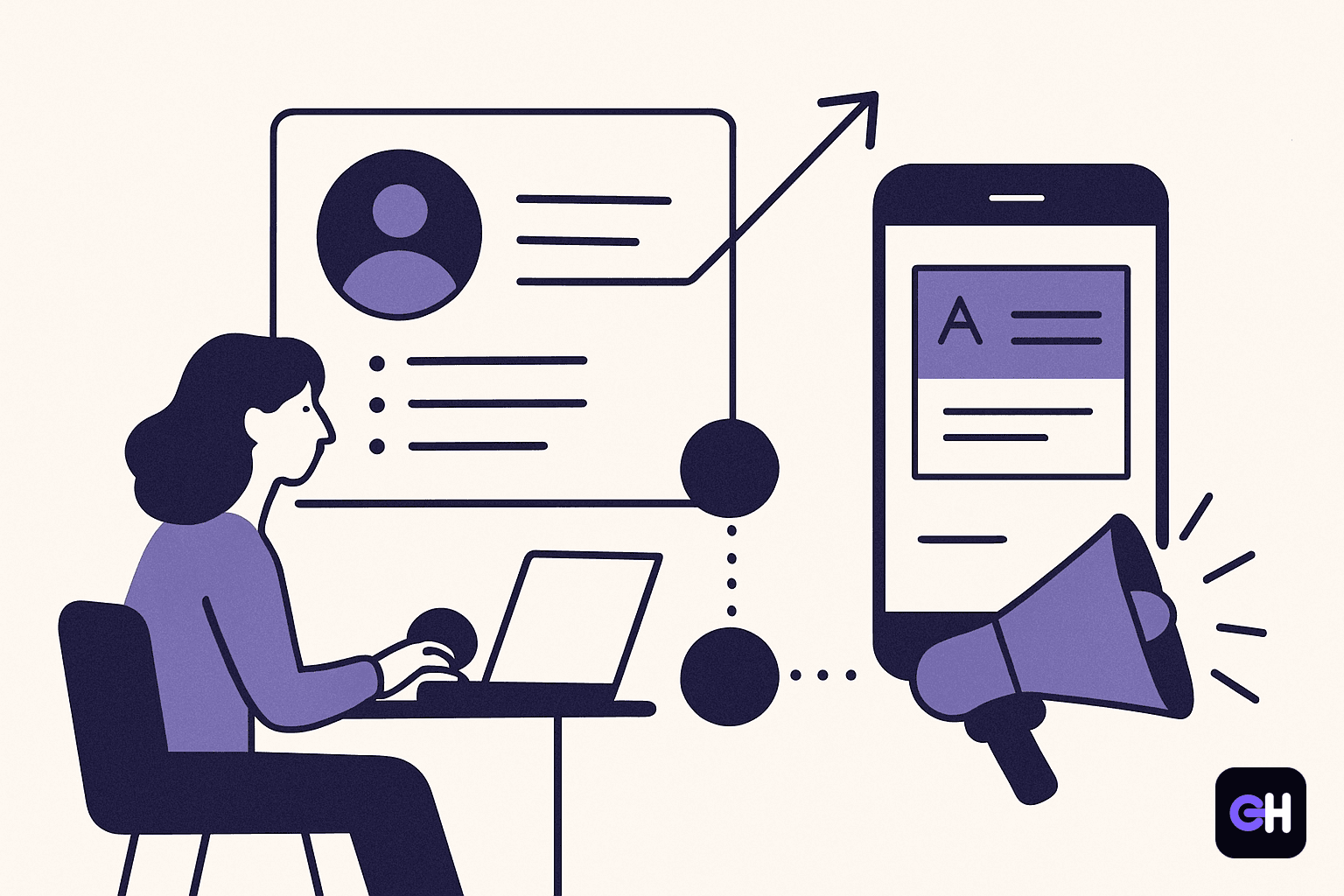
LinkedIn has released a new four-step guide that reinforces a basic truth many brands still overlook: ads work best when they are designed with precision from the start. The message is clear—success depends not only on budget, but on how well you know your audience, how wisely you choose the format, and how carefully you measure results. For Iranian businesses, especially those in B2B or professional services, this is a useful reminder. In a crowded market, spending without a plan usually raises costs without creating sales.
The reason this matters in Iran is simple: many businesses still run social ads as broad, one-size-fits-all campaigns. They send the same message to everyone, then wonder why performance is weak. LinkedIn’s guidance points in a different direction: segment the audience by role, industry, company size, and buying stage. When that happens, attention improves and acquisition becomes more efficient. That logic applies well beyond LinkedIn, even if each platform offers different tools.
What matters in this approach
The first lesson is precise targeting. If a business knows exactly who it is talking to, it can tailor the copy, the creative, the offer, and even the landing page to that audience. The second is choosing the right format, because some messages work better as visuals, while others perform better in video or multi-part content. The third is measurement: campaigns should be trackable so you can see which audience, message, and format actually worked. Without those three pieces, advertising becomes expensive guesswork.
What Iranian businesses should do
If you run a small or mid-size business, start by asking one question: who exactly am I trying to persuade? The answer changes everything. Once the audience is clear, shape the message around their real problem, not around your product features alone. For example, a web design company should not only describe tools; it should explain how the website helps with sales, credibility, or lead generation. The same idea applies to branding, SEO, and social media management.
- Split your audience into clear groups, such as founders, marketing managers, or business owners.
- Write one core message for each group and connect it to that group’s real need.
- Match the ad format to the goal: awareness, lead generation, and conversion need different approaches.
- Test a few versions of copy and visuals before scaling up.
- Make sure the landing page matches the promise of the ad.
- Measure more than clicks; look at leads, calls, form fills, and lead quality too.
Why measurement matters more than the ad itself
Many campaigns fail not because the creative is weak, but because measurement is missing. If you do not know what the user did after seeing the ad, you cannot tell whether the problem was the message, the targeting, or the landing page. LinkedIn’s guide stresses exactly this: good ads must be reviewable, and each step of the user journey should be visible. This helps businesses make better decisions and shift budget toward what actually works. For Iranian brands with limited budgets, that is essential.
Why LinkedIn matters most for some businesses
LinkedIn is especially valuable for businesses that sell to professionals or decision-makers. Software companies, marketing agencies, training providers, consultants, and brands that target B2B customers usually get the most from it. Even if your activity is not centered on LinkedIn, the logic still applies. Whenever the audience is specific and the purchase decision is considered, precise targeting and relevant messaging matter. So this news is not only about one social network; it is about maturity in digital advertising.
What GH Company can do with this trend
For GH Company, a digital agency in Qom, this is a useful reminder that strong campaigns begin with market understanding, not rushed ad launches. The same mindset can connect website design, content, SEO, advertising, and social media management into one coherent path. When strategy starts with the audience, the final result becomes sharper and more professional. GH Company can help businesses define their audience, refine their message, and build a conversion path so ads do more than get seen—they deliver results.
Frequently asked questions
What does LinkedIn’s new ad guide say?
It focuses on three key ideas: knowing the audience precisely, choosing the right ad format, and measuring results properly. The core message is that strong campaigns start with planning, not just higher spend.
What should Iranian businesses learn from this?
Broad, one-size-fits-all advertising usually performs poorly. Businesses should segment their audience, align the message with real needs, and keep the path from ad to landing page consistent.
Are these ideas only useful on LinkedIn?
No, the principles apply to most digital advertising. Whenever the audience is specific and the goal is lead generation, sales, or awareness, precise targeting, format choice, and measurement matter.
Related GH Company service
Social Media & Digital Marketing
Page management, content calendars, digital campaigns and SEO — with transparent monthly reporting.
Be the first to comment
Comments appear after review. Your email is never displayed.
Reported with reference to Social Media Today
Back to the blogRelated reading
Hidden Costs of Payment Gateway Downtime and How to Fix Them
Payment gateway downtime creates hidden losses beyond missed transactions. Discover how resilient payment systems protect revenue and customer trust.
WebGrowth Opportunities in Online Fashion: Why Brands Need Own Stores
Iran's online fashion retail market offers high growth for independent stores. Building a custom e-commerce site enables brands to thrive without marketplaces.
SalesCommon Reasons for Enamad Rejection and Practical Solutions
Explore the common causes behind Enamad application rejections and learn step-by-step solutions to obtain your payment gateway quickly.